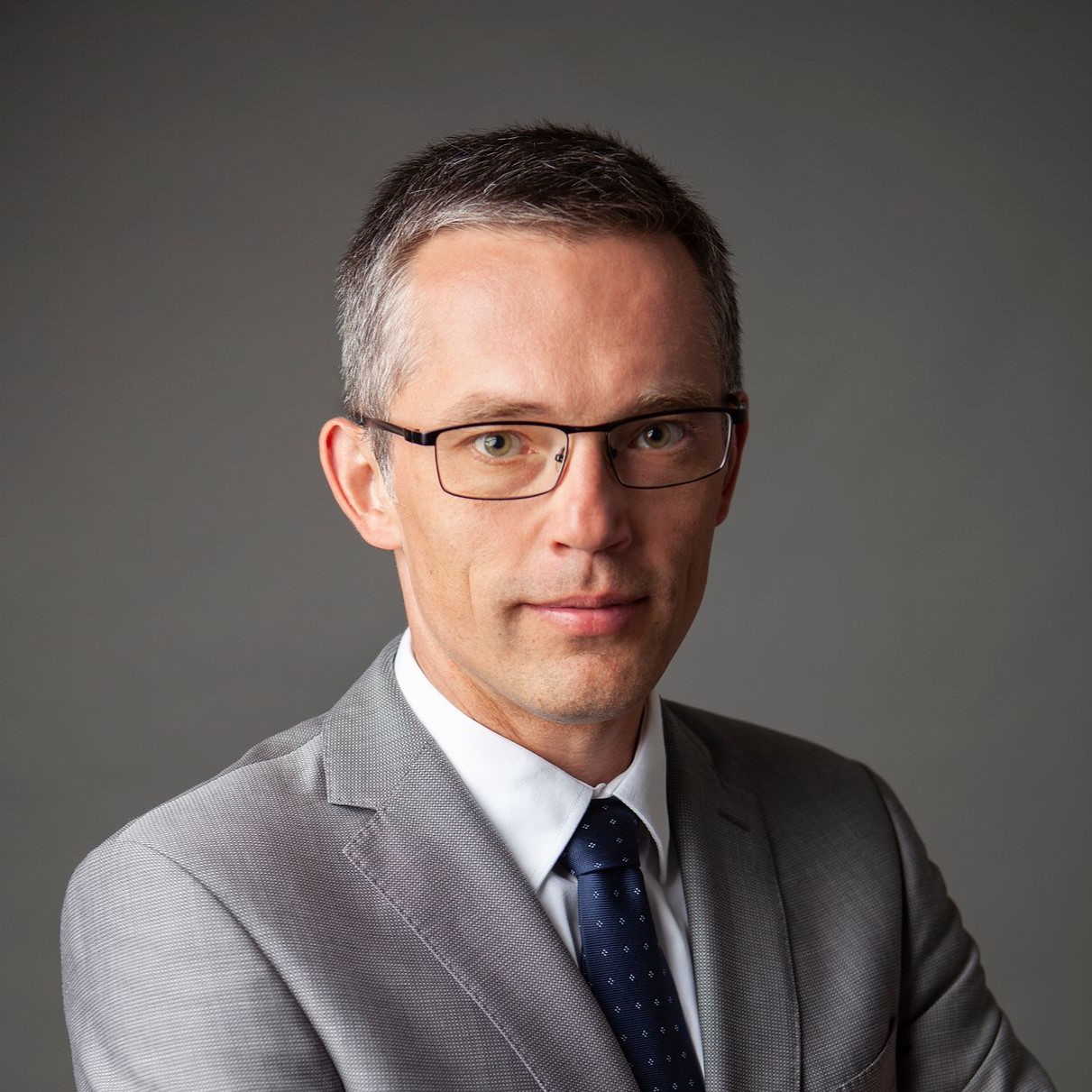
Sociologist, professor at Nicolaus Copernicus University in Toruń. For over 15 years he has been conducting social research in the area of energy, sustainable development and green transformation. He specializes in social aspects of low-emission economy, such as cooperation with stakeholders from the socio-economic environment and social communication. Participant and manager of numerous research projects, national and international, co-financed by the National Science Centre, EU framework programmes and EURATOM. He gained experience, among others, in the field of implementation of the Polish Nuclear Power Programme and shale gas exploration. He cooperated with industry institutions and public local government and central units. He created and managed the Regional Forum for Dialogue and Cooperation “Energy and Self-Government”, established at the Pomeranian Special Economic Zone under the patronage of the Marshal and Voivode of Pomerania. Based on his research, he wrote the book “Gra w atom. Społeczne gospodarka technologie w rozwój energetyki nucledrowej w Polsce” (UMK Publishing House, Toruń 2017). He conducted research at the universities of Cologne and Hamburg and at the Fraunhofer Institute in Karlsruhe. Active expert of the Sejm Analysis Office, the National School of Public Administration, the National Centre for Research and Development and the Ministry of Science and Higher Education. He served as director of the Institute of Educational Research and Łukasiewicz-Institute of Organization and Management in Industry ORGMASZ.
🍪 Używamy plików cookie
Ta strona używa plików cookie w celu zapewnienia najlepszej jakości usług zgodnie z Polityką Prywatności. Możesz określić warunki przechowywania lub dostępu do plików cookie w Twojej przeglądarce.
Ustawienia szczegółowe cookies
Te pliki cookie są niezbędne do funkcjonowania strony i nie mogą być wyłączone. Obejmują podstawowe funkcje takie jak bezpieczeństwo, zarządzanie siecią i dostępność.
Te pliki cookie umożliwiają dodatkowe funkcje, takie jak zapisywanie preferencji użytkownika (np. wybór języka, regionu).
Te pliki cookie pomagają nam zrozumieć, jak odwiedzający korzystają z naszej strony poprzez zbieranie i raportowanie informacji anonimowo (Google Analytics).
Te pliki cookie są używane do śledzenia odwiedzających w różnych witrynach. Intencją jest wyświetlanie reklam, które są istotne i angażujące dla poszczególnych użytkowników.