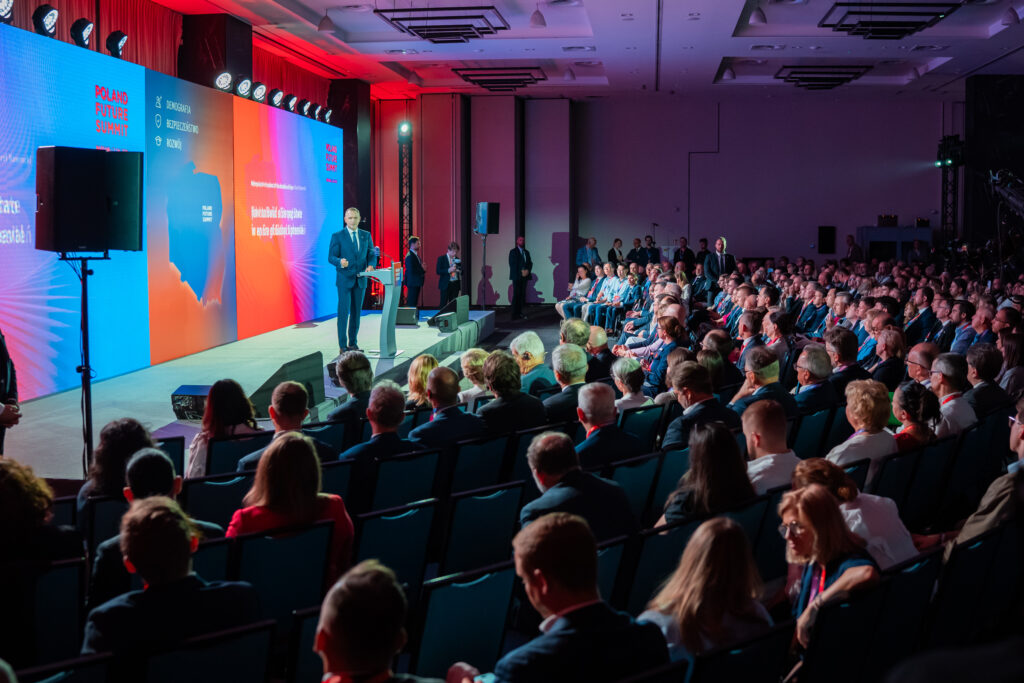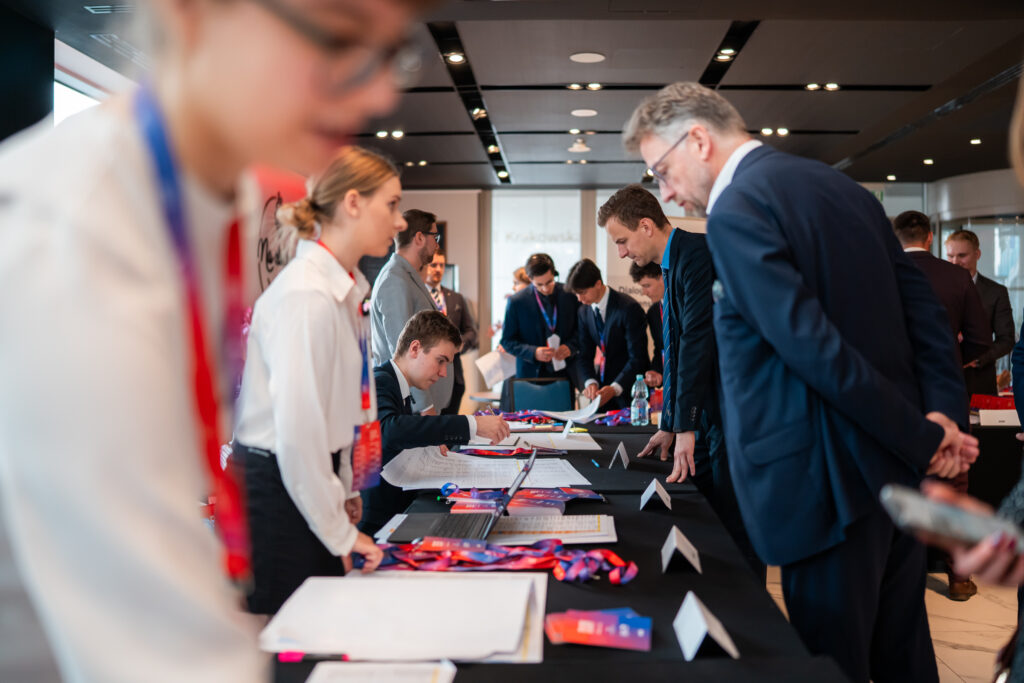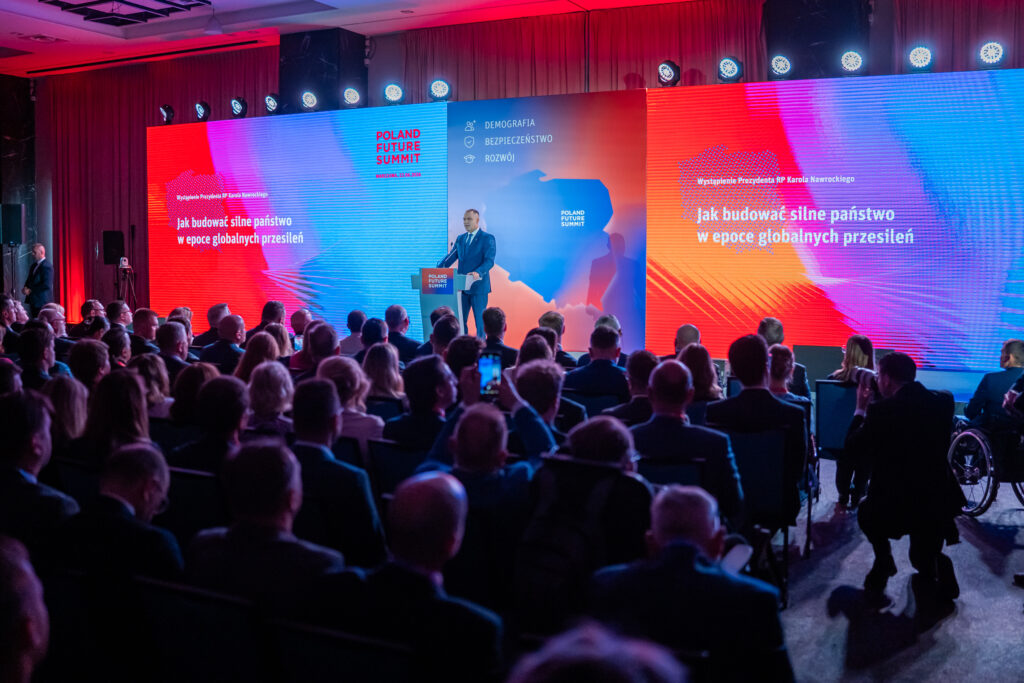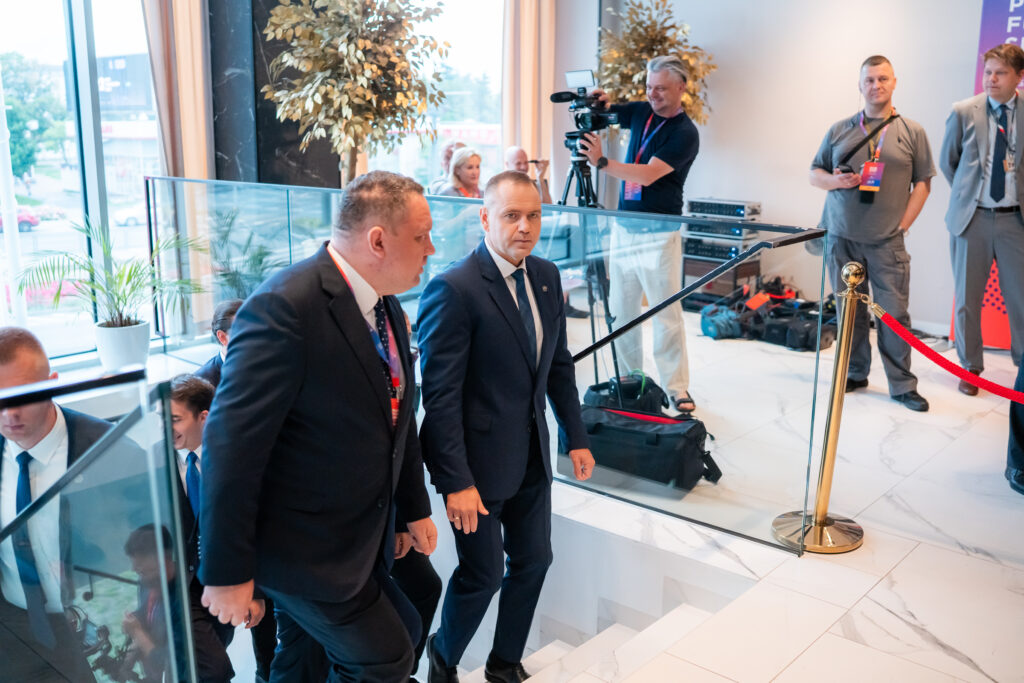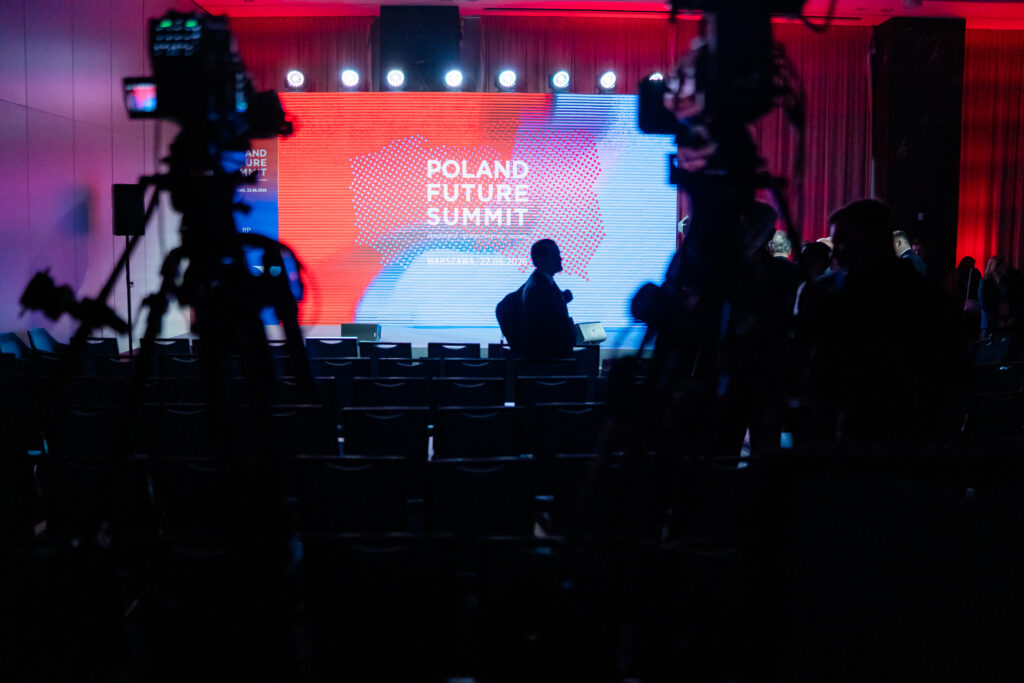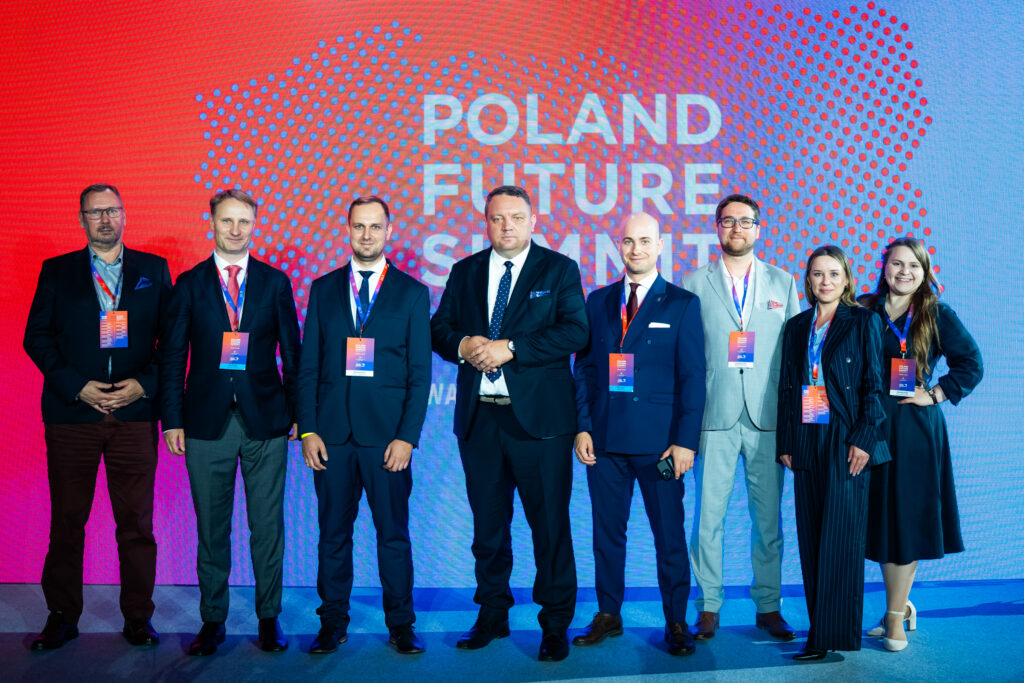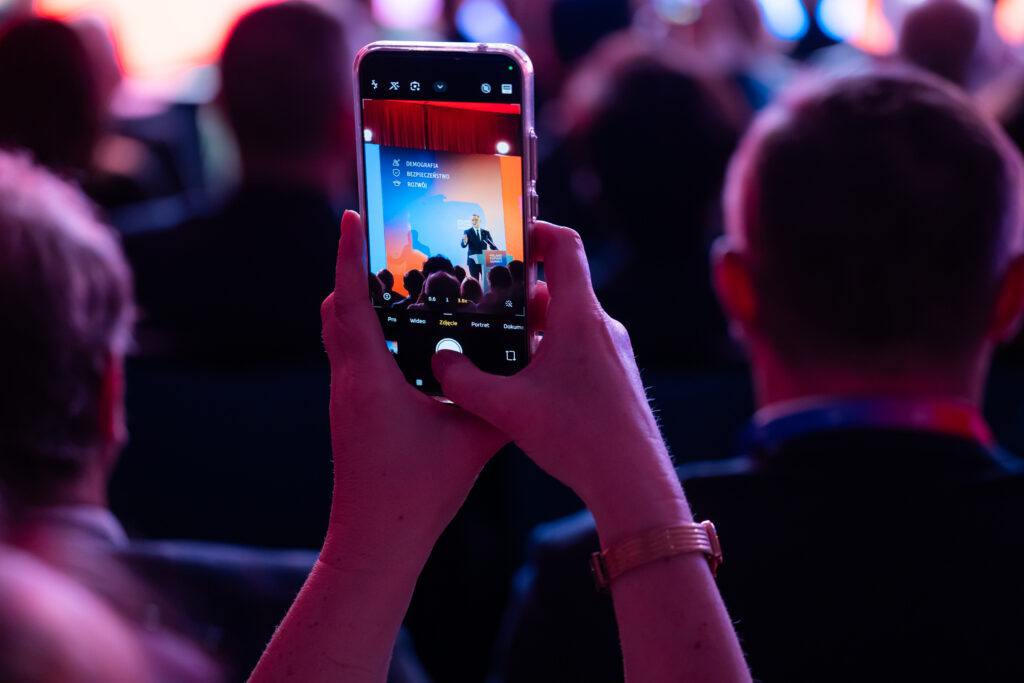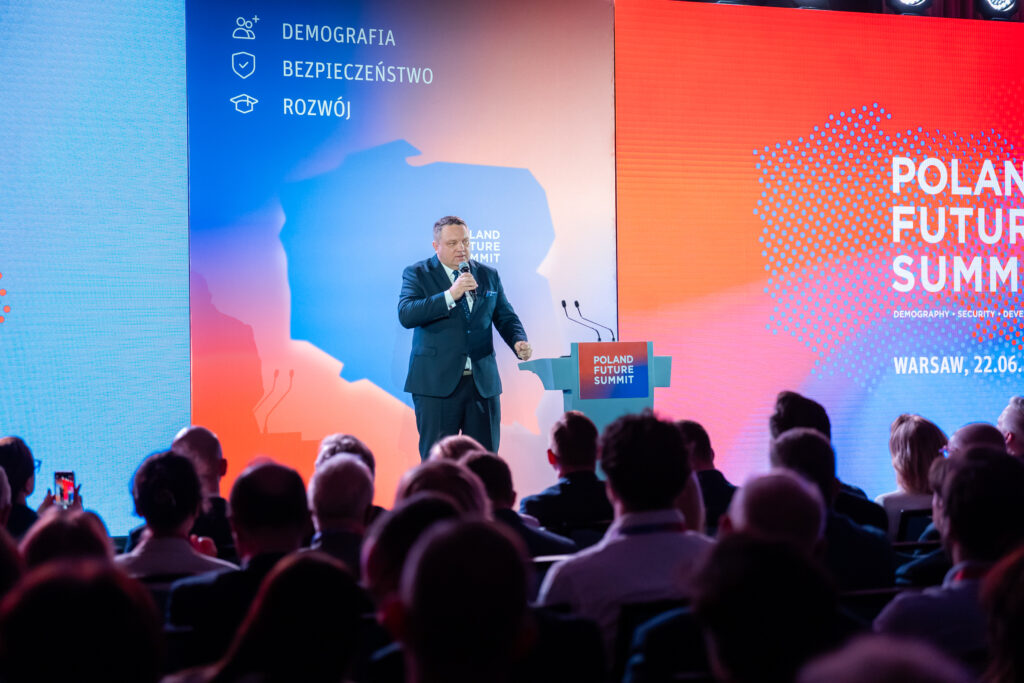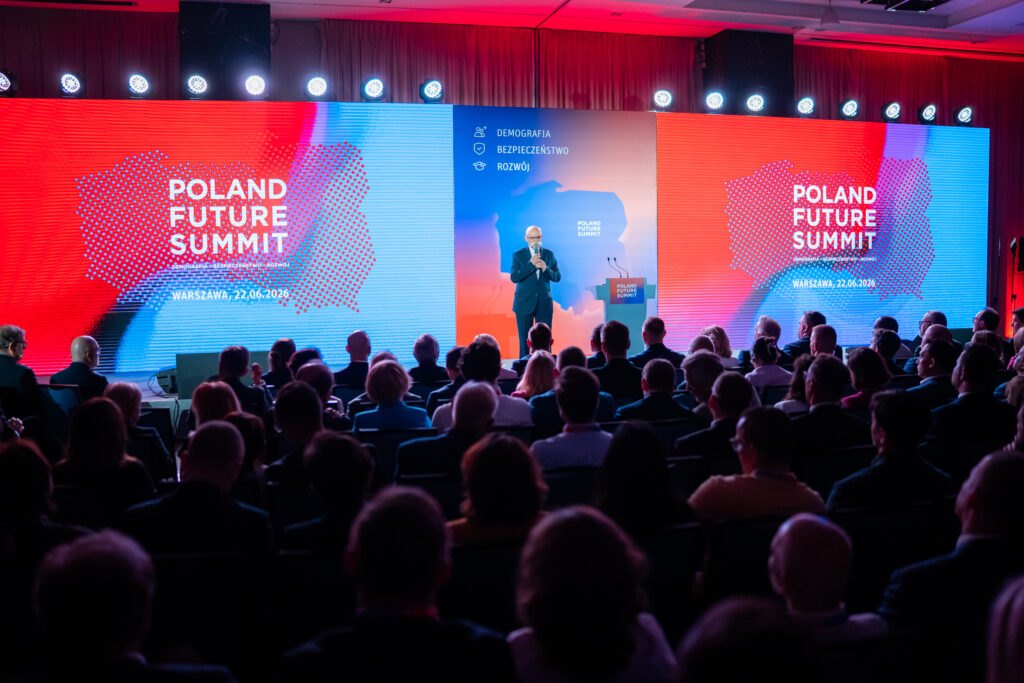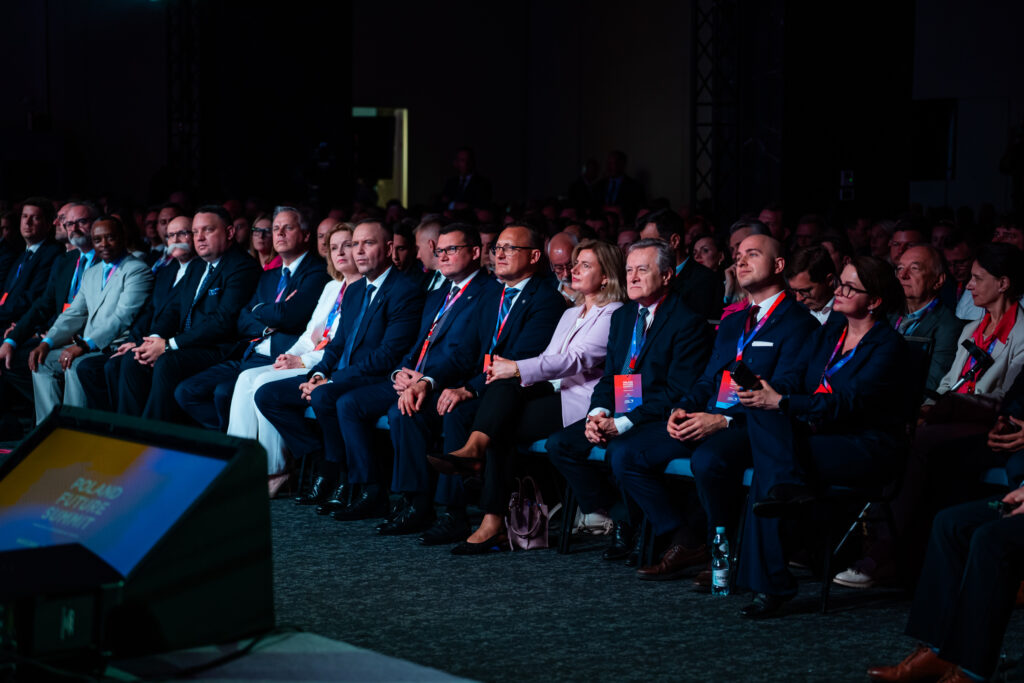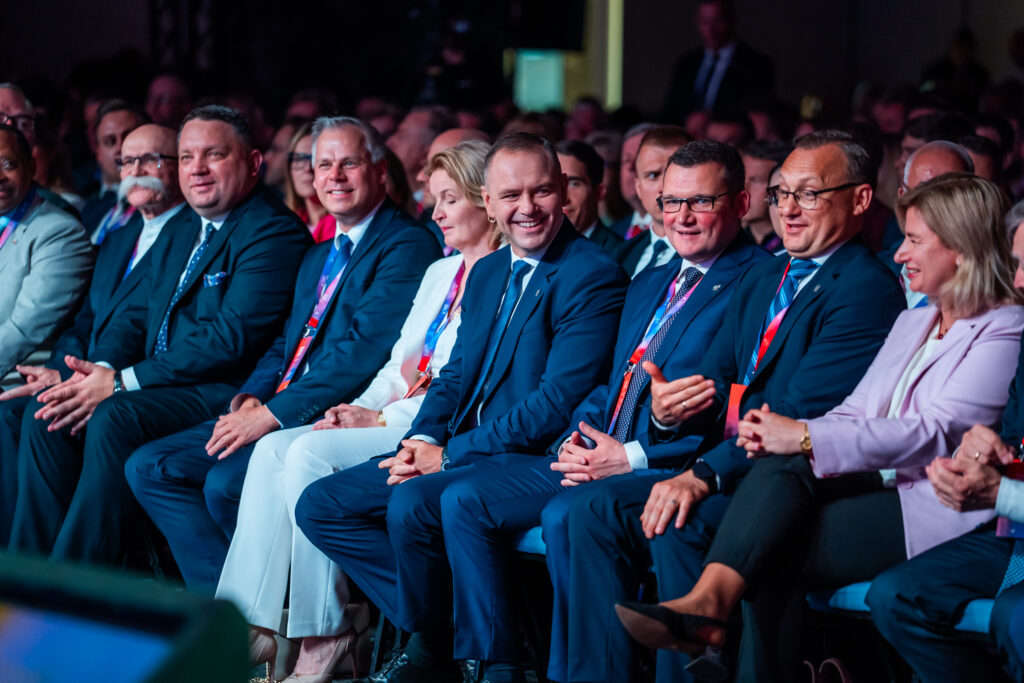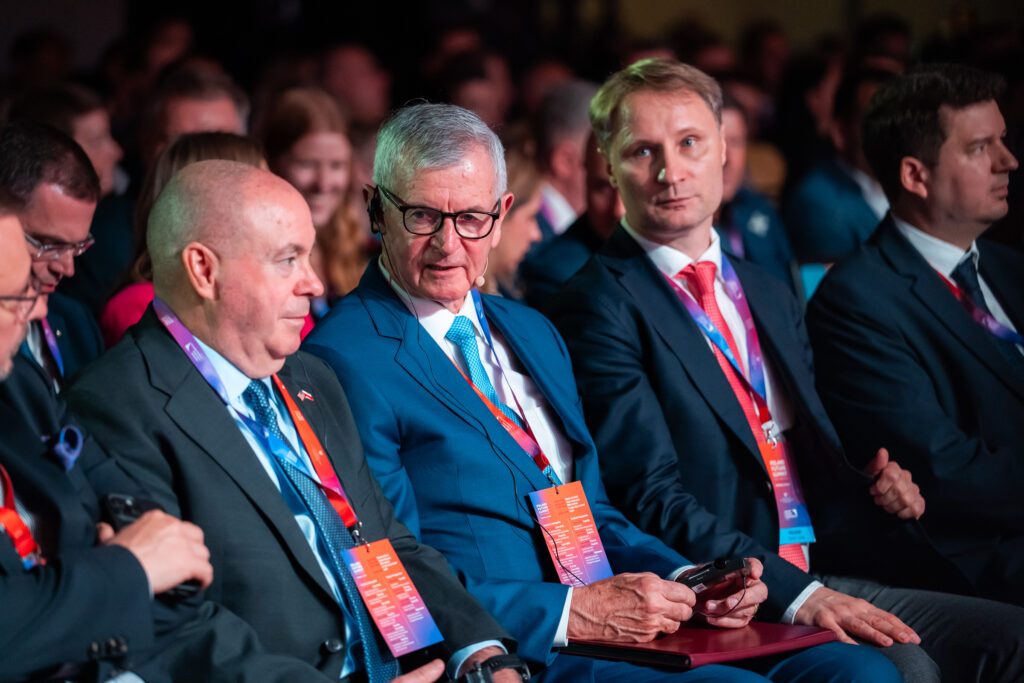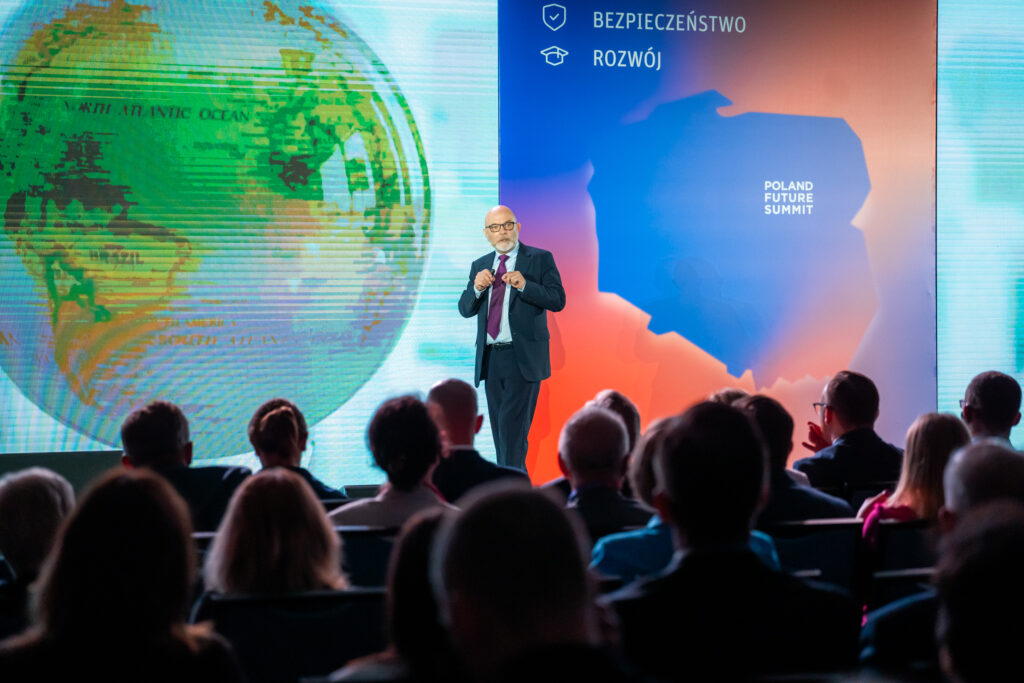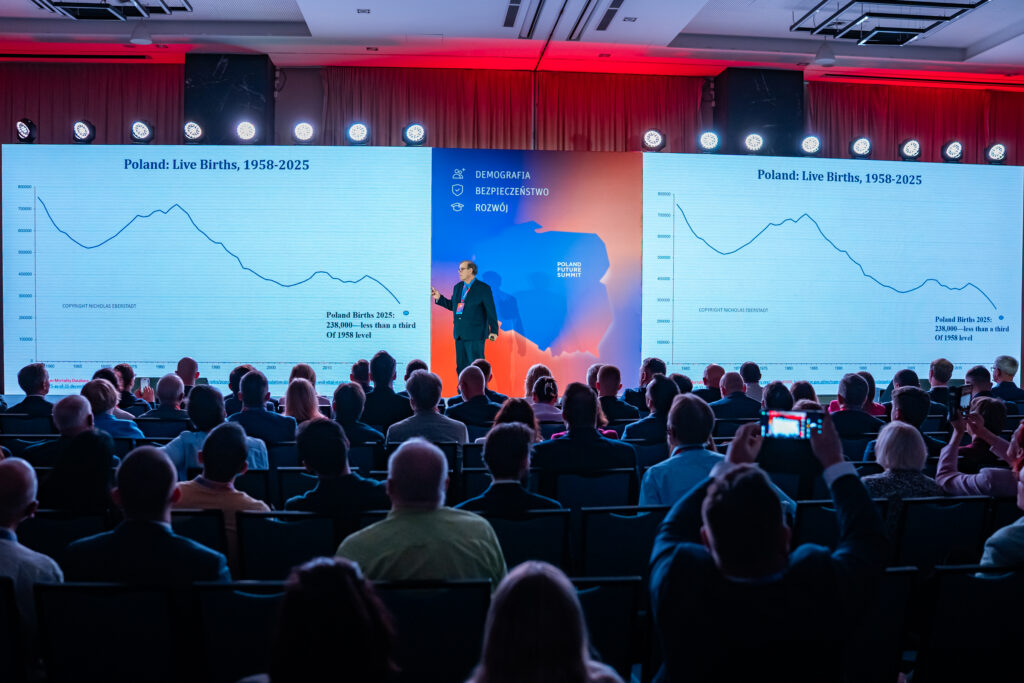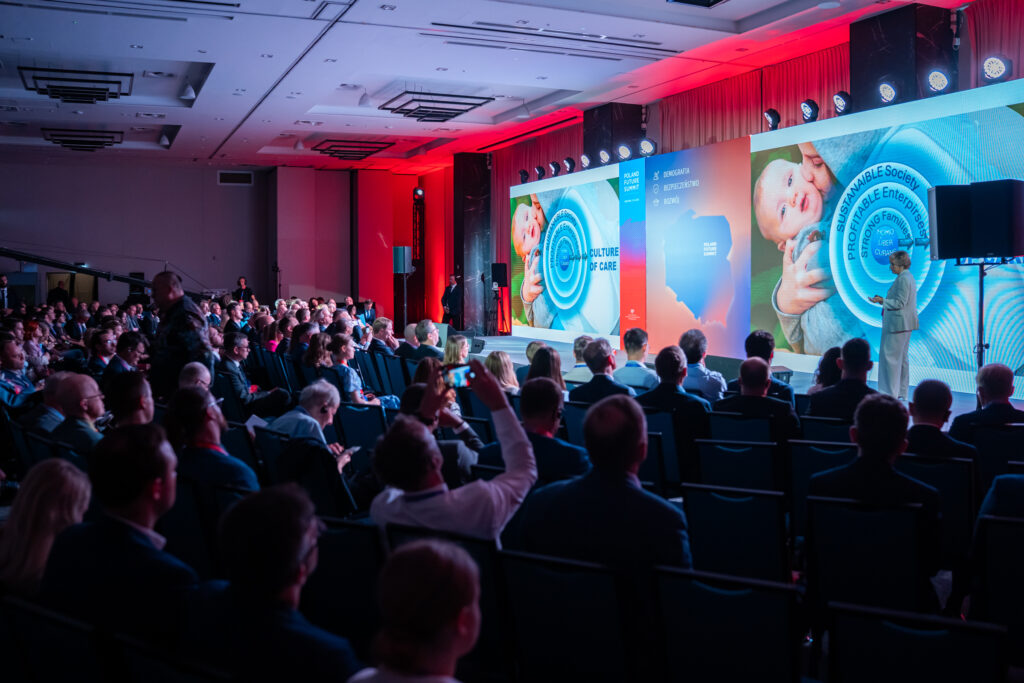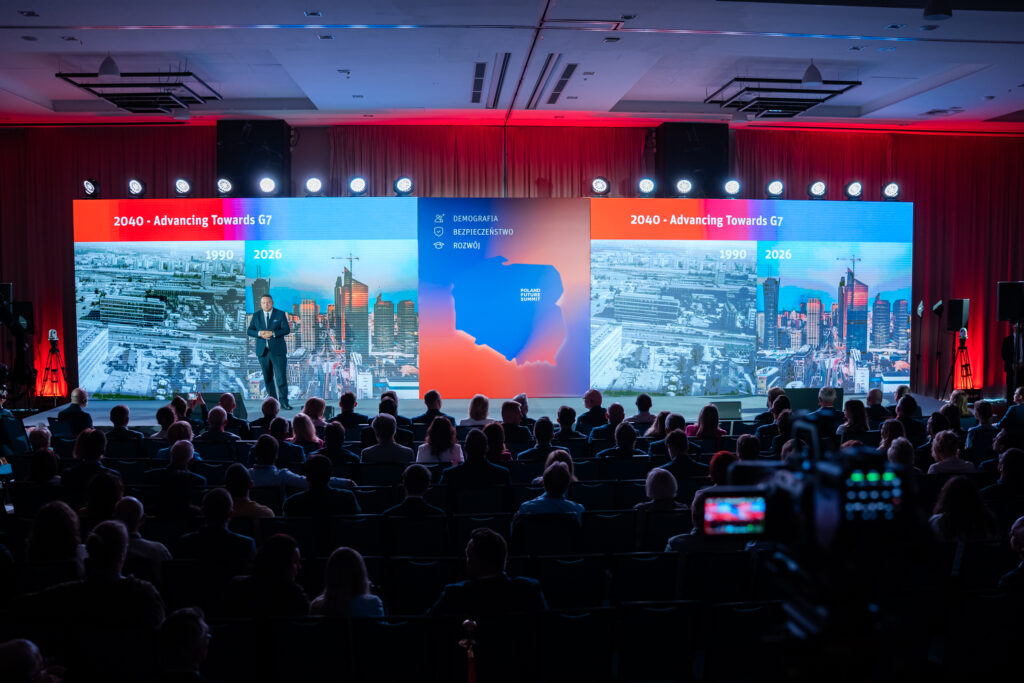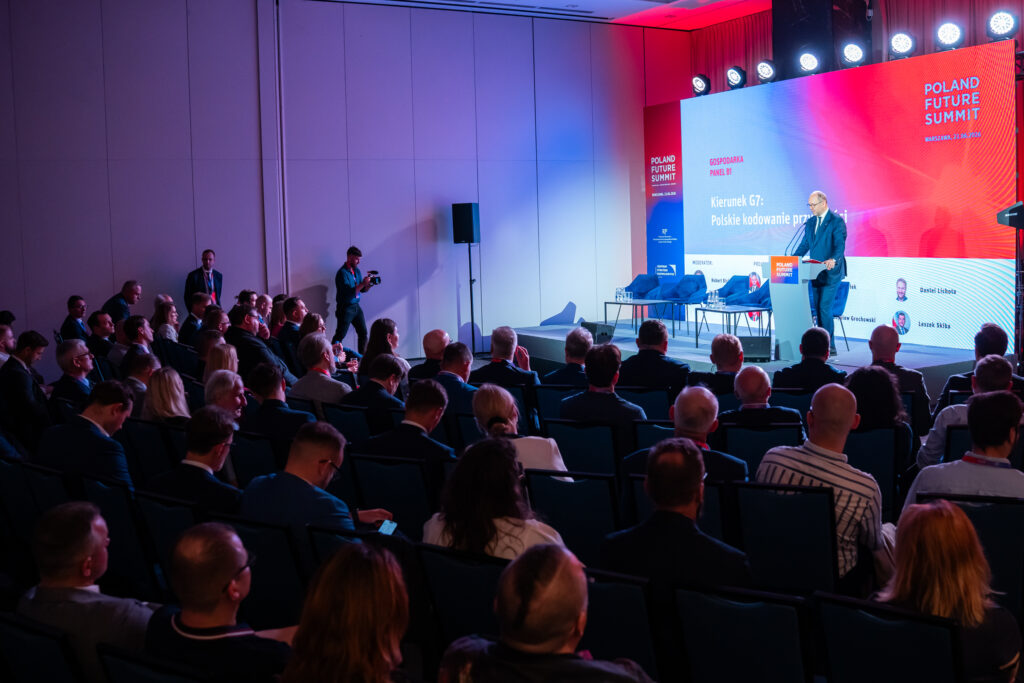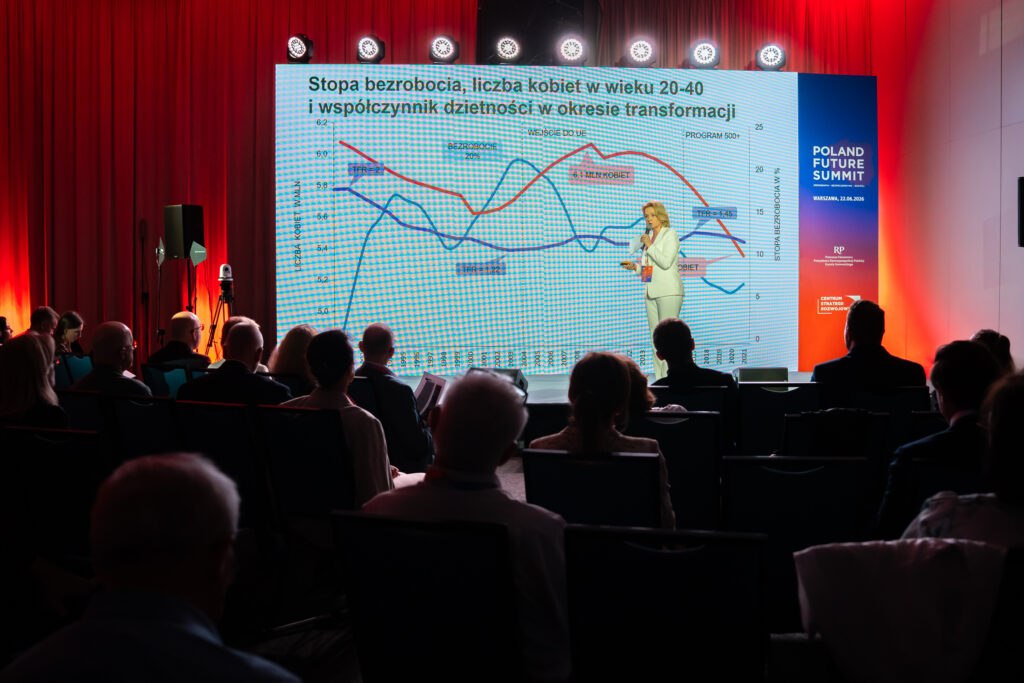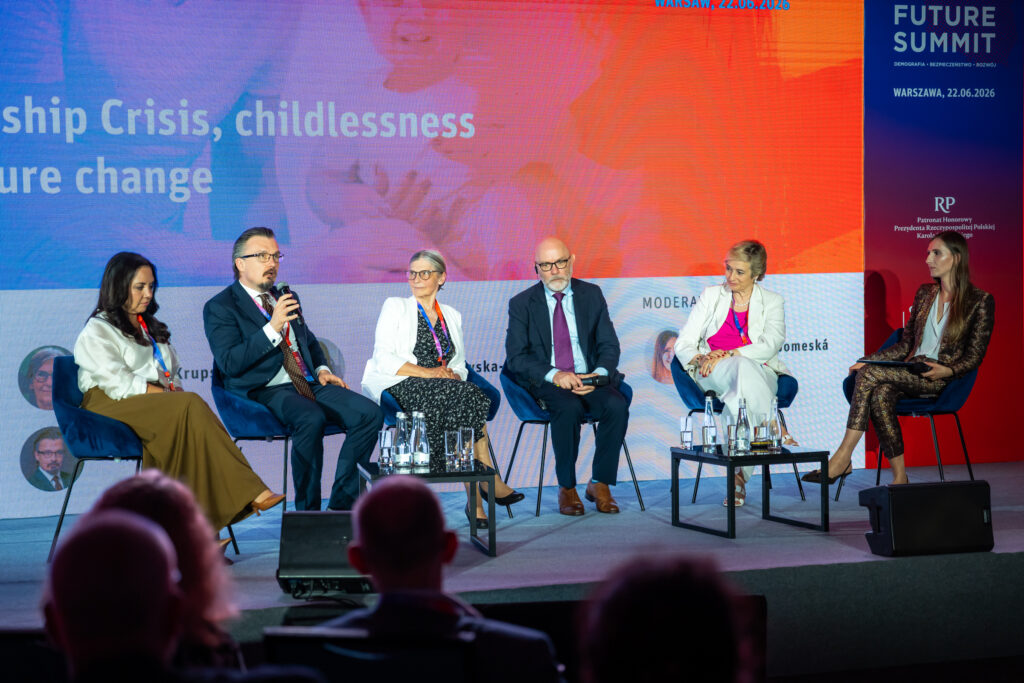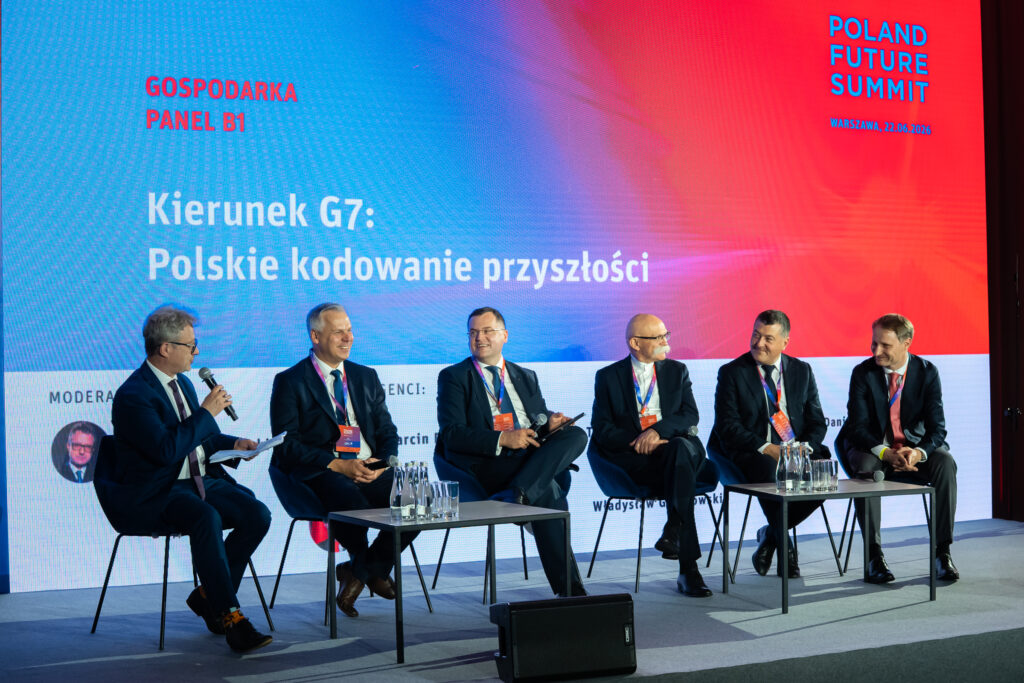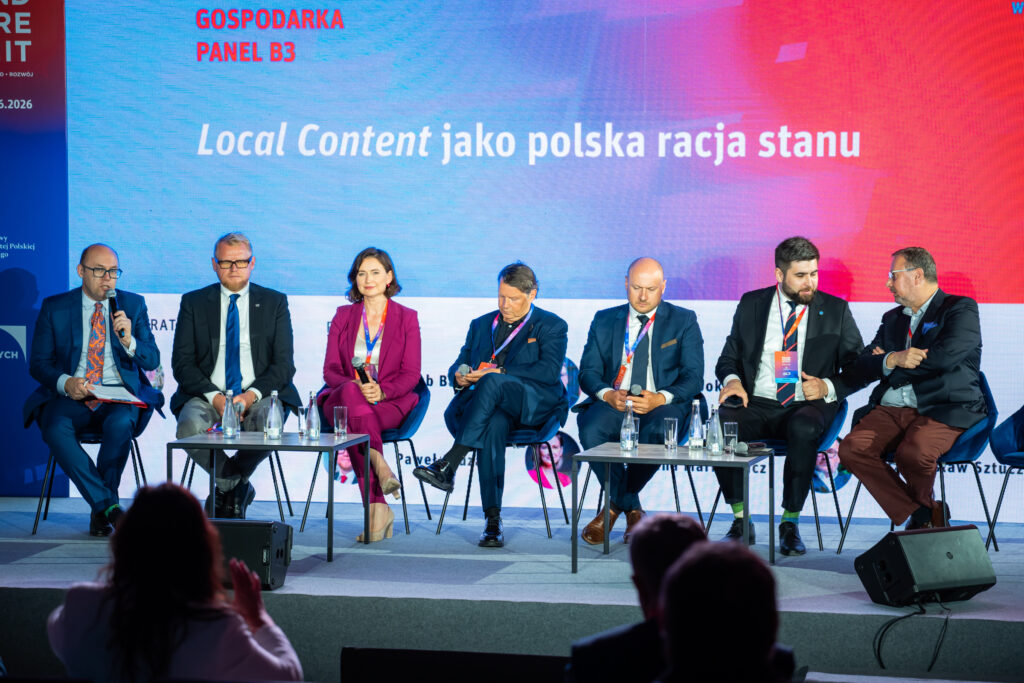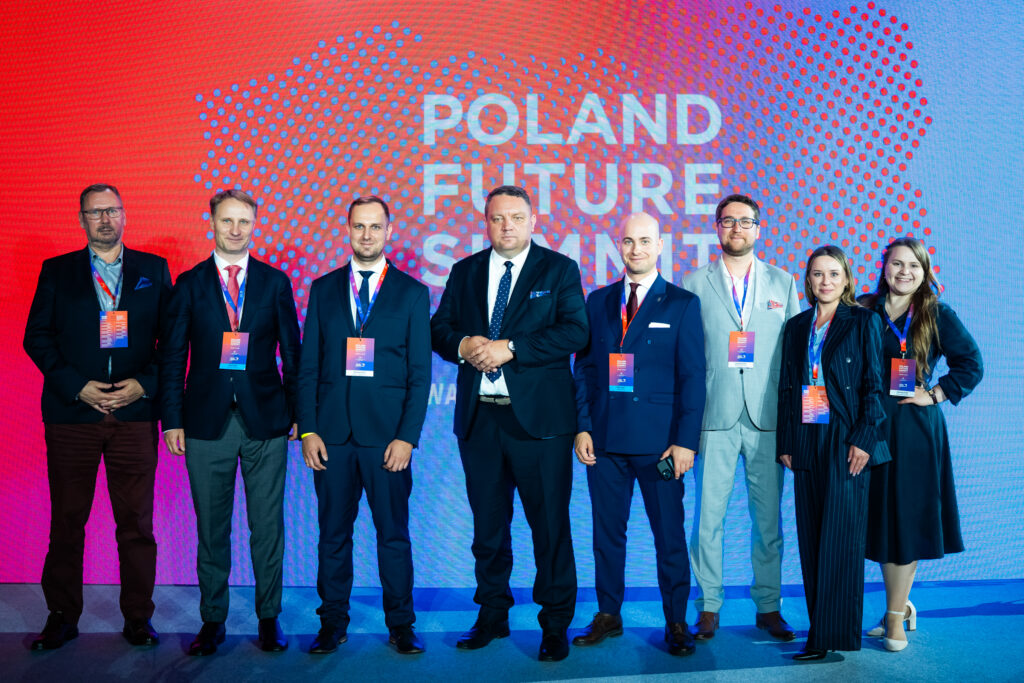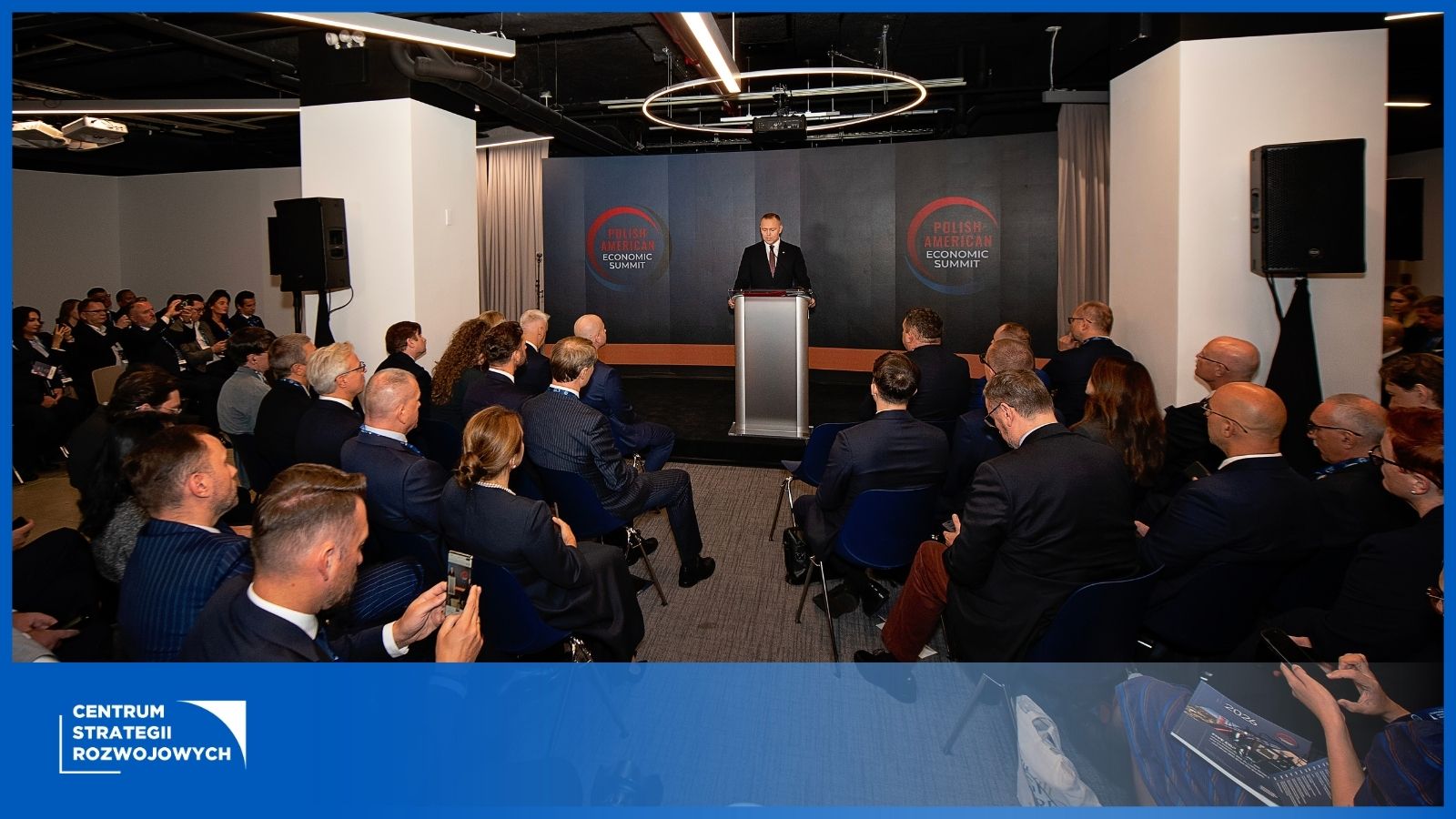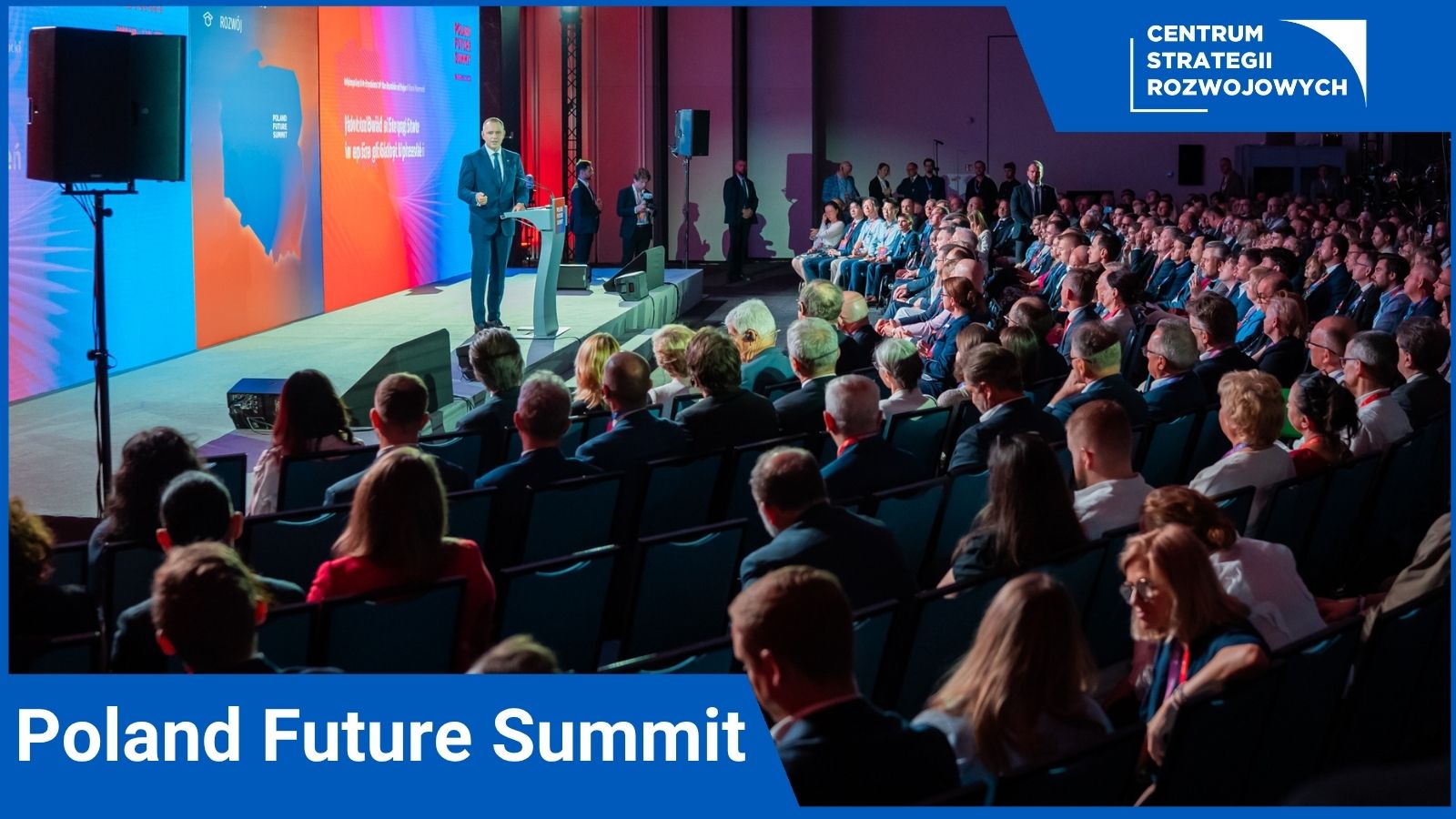


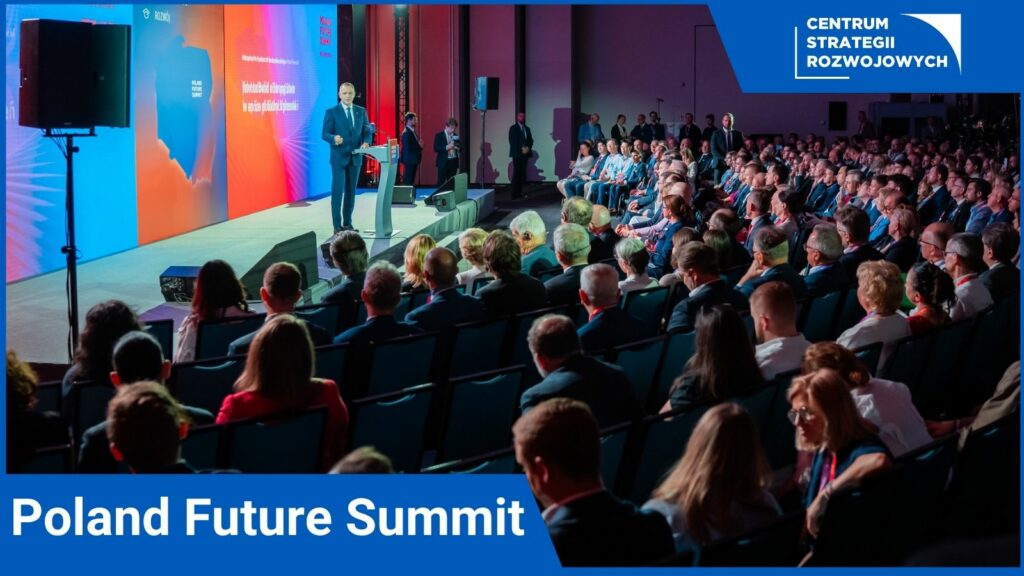
Poland Future Summit – a conference organized by the Development Strategy Centre in cooperation with the Chancellery of the President of the Republic of Poland, was held on June 22, 2026, in Warsaw, under the Honorary Patronage of the President of the Republic of Poland, Karol Nawrocki. It brought together renowned strategists and experts from the United States, the United Kingdom, Finland, Sweden, France, and Spain, representatives from the embassies of China, the Czech Republic, Romania, Rwanda, Slovenia, Switzerland, Thailand, Hungary, and Italy, as well as Polish policymakers, entrepreneurs, scientists, representatives of non-governmental institutions, and opinion leaders. Participants discussed how to maintain stable development and state security in a country facing a shrinking population. The topic attracted hundreds of attendees, and the high turnout demonstrated the immense interest in substantive discussions on solutions for Poland’s development.
The debate was guided by the motto ‘there will be no strong economy without people, and no strong families without a stable state’. The starting point was the question of how to reconcile Poland’s developmental ambitions, including its aspirations to join the G7, with the demographic crisis, which the organizers consider to be its most serious internal challenge.
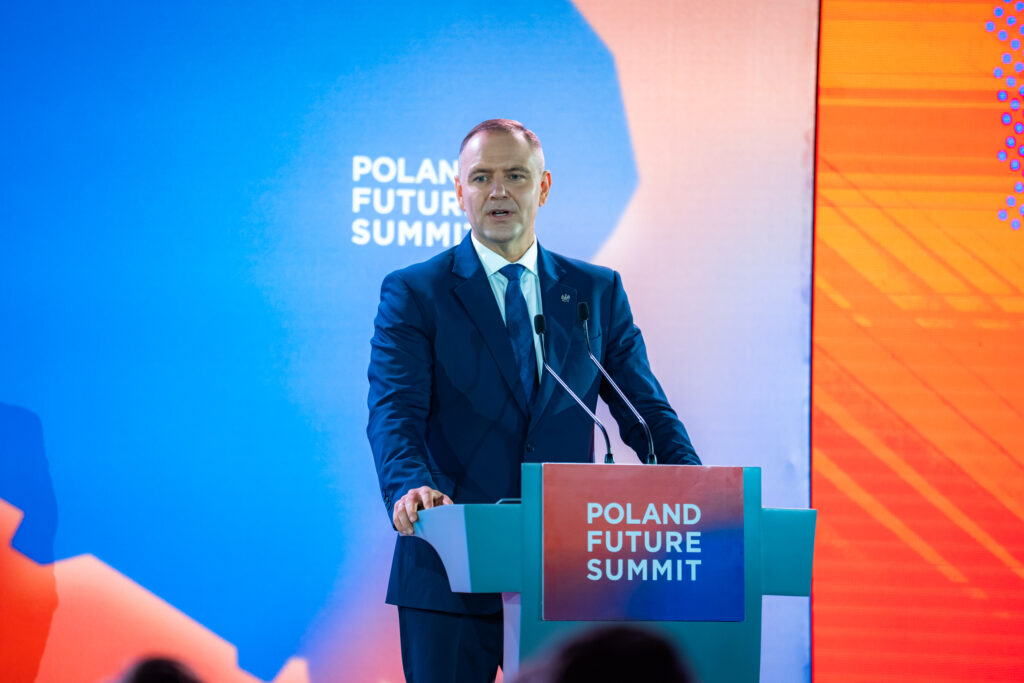
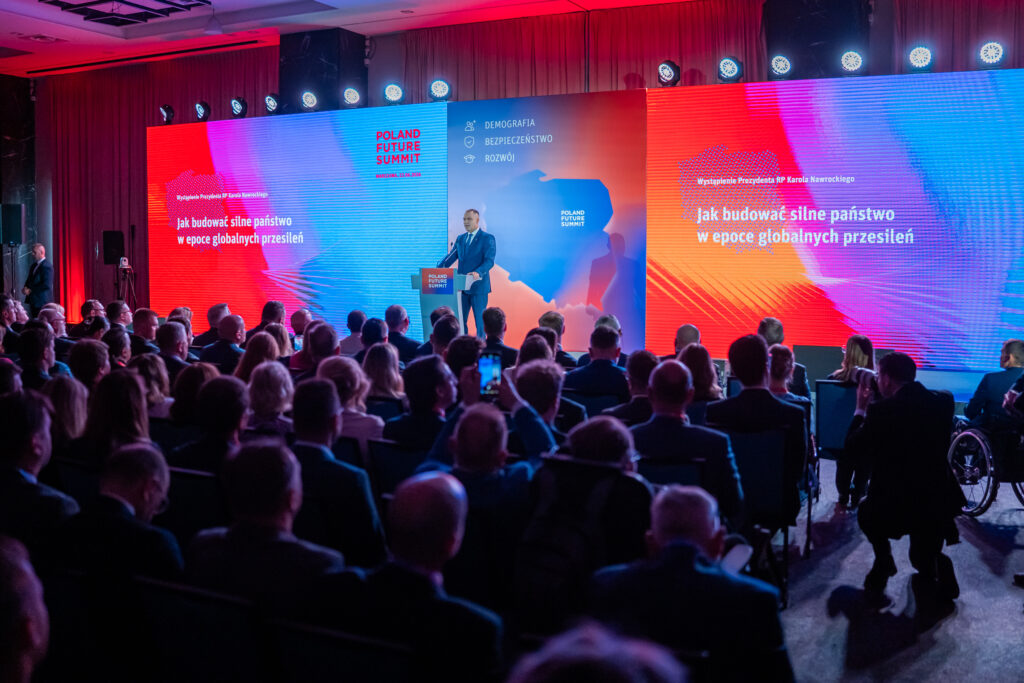
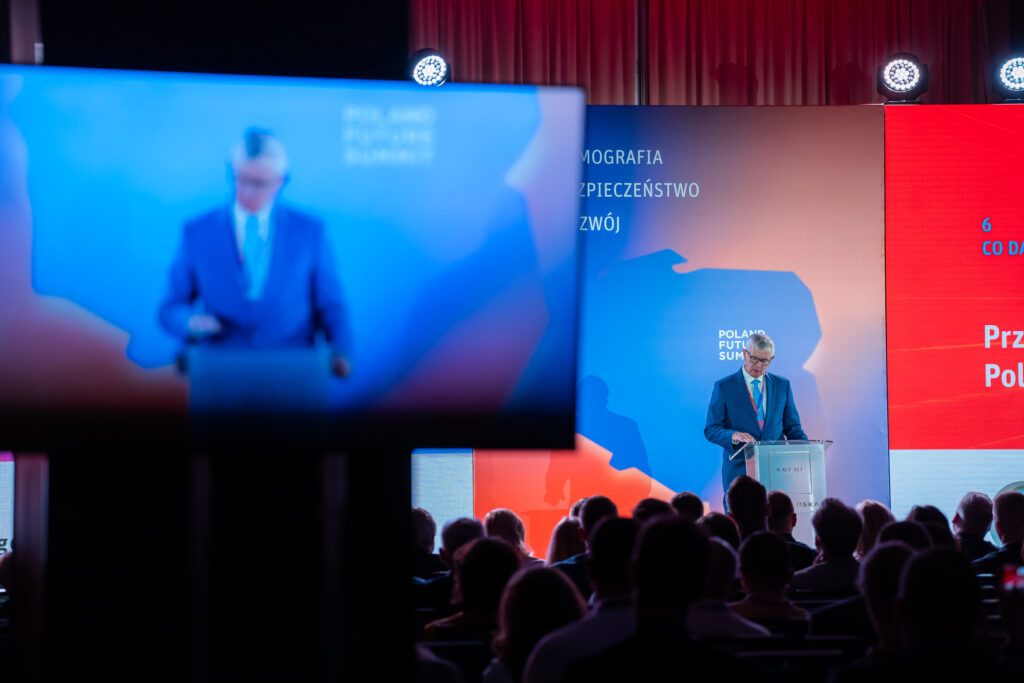
The conference opened with a special address by the President of the Republic of Poland, Karol Nawrocki, titled ‘How to Build a Strong State in an Era of Global Upheavals’.
“To be able to develop, to conduct investments, and to attract capital, Poland and Europe must be secure. To be secure in the 21st century, as we observe modern battlefields, we simply need to develop.” said Karol Nawrocki, the President of the Republic of Poland. In the section dedicated to demographics, he emphasized the importance of the family. – This is our Polish response to the demographic crisis. It is the concern of the Polish state authorities, and certainly of the President of the Republic of Poland, that we want to put the family first, as the most important and primary unit of society.”
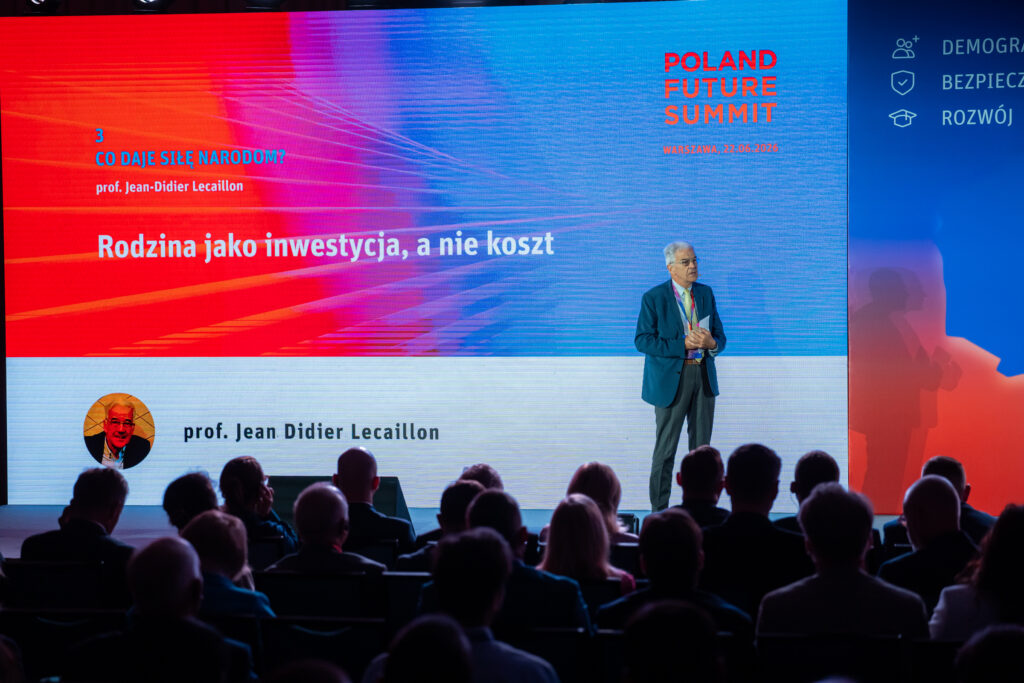
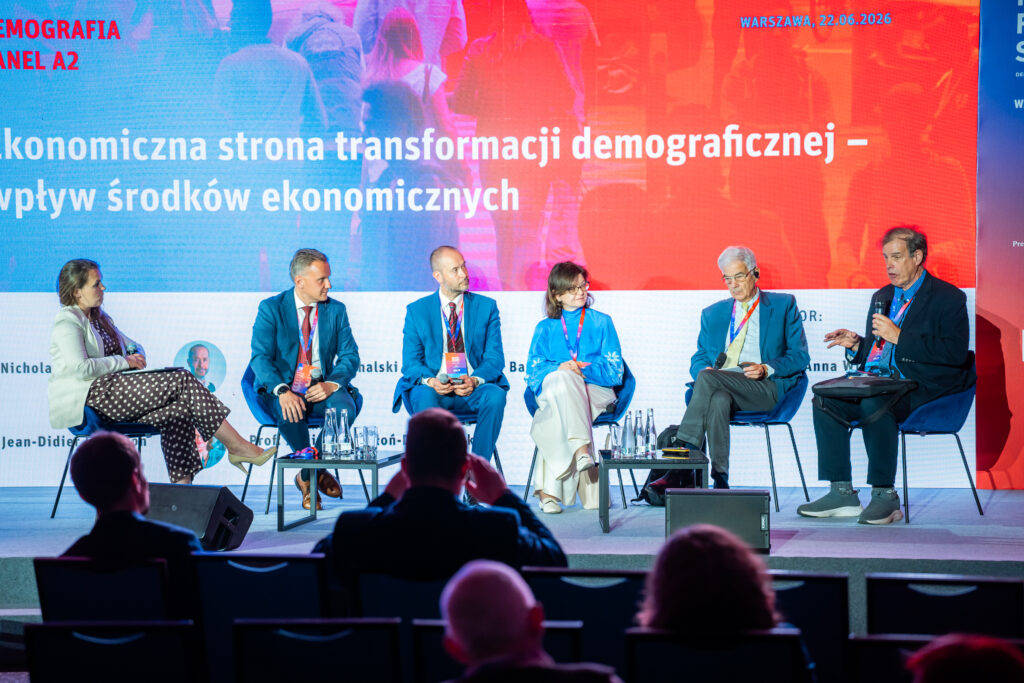
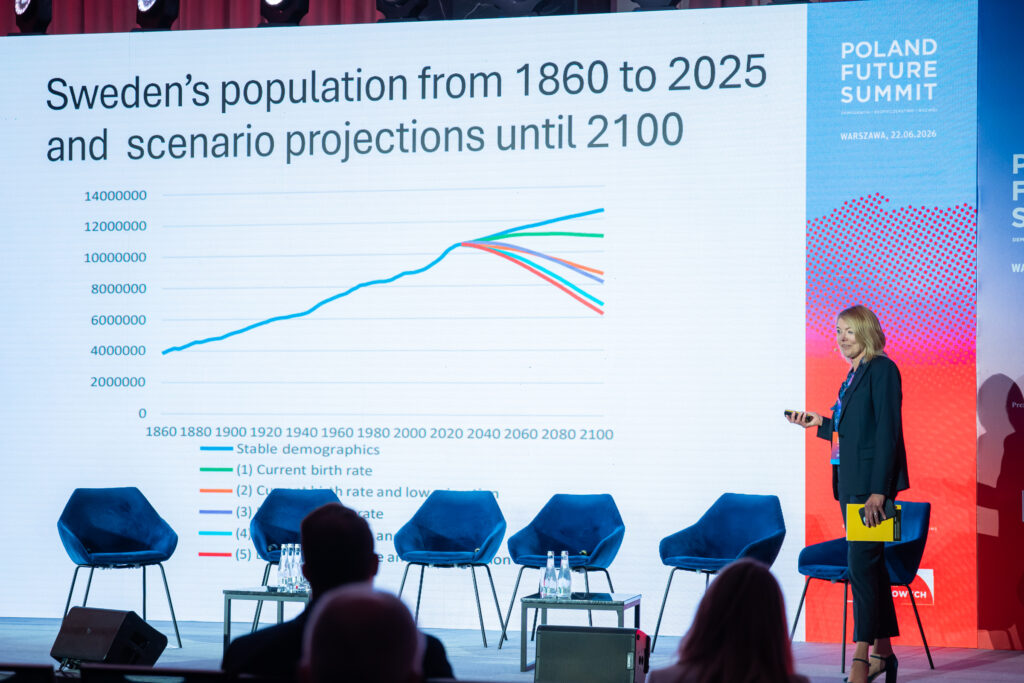
The demographic challenges were discussed by Stephen J. Shaw, author of the acclaimed documentary ‘Birthgap’, and Prof. Nicholas Eberstadt from the American Enterprise Institute, prof. Nuria Chinchilla from IESE Business School and prof. Jean-Didier Lecaillon and an expert from Panthéon-Assas University in Paris. Subsequent presentations focused on the economy and security. General George Francis Close Jr., President of The Spectrum Group and a retired US Army General, spoke about turning threats into opportunities and about Poland as the technological heart of NATO, while Marcin Chludziński, Chairman of the Development Strategy Centre, outlined Poland’s path toward the G7.
– Poland needs a strategic consensus around development. If we want to think about a place among the world’s major economies, we must move beyond the logic of restarting every strategic conversation from scratch after a political shift. Energy, international expansion, support for economic diplomacy, and the operational culture of the state should empower Polish companies, as they will be the ones building our position over a 20-25 year horizon.
– emphasized Marcin Chludziński, Chairman of the Foundation Board of the Development Strategy Centre.
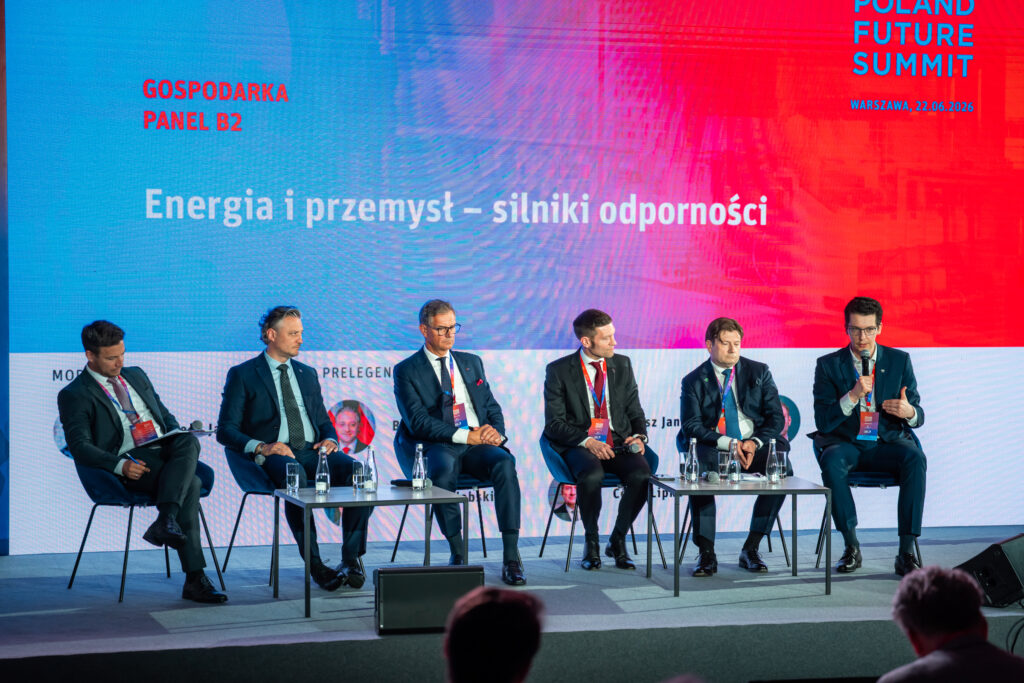
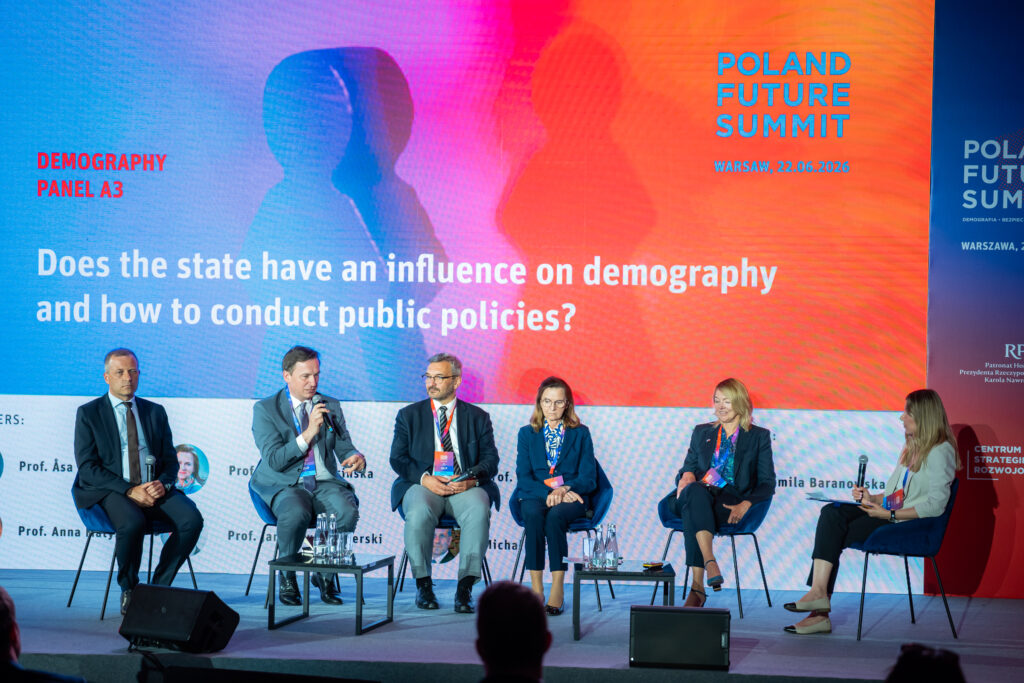
Following the plenary session, the discussions continued in two parallel tracks. The demographic track (A) covered childlessness, cultural shifts, the economic factors behind parenting decisions, and the limits of public policy effectiveness. The economic track (B) focused on Polish economic ambitions, the resilience of the energy and industrial sectors, and the role of domestic suppliers within Local Content framework. At the conclusion of the economic track, the Local Content Pact was presented – a new economic program by the Development Strategy Centre.
The same conclusion emerged from both tracks: security, the economy, and demographics can no longer be treated separately, as the decisions made today will determine Poland’s position for decades to come.
The partners of the event were:
Central European Perspective Foundation, Grupa TZMO, Holcim Polska, Instytut Sobieskiego, Instytut Studiów Wschodnich, LipCo Foods, Nałęczów Zdrój, Odbudowani, Ośrodek Bezpieczeństwa Energetycznego, PolKa, Polskie Towarzystwo Gospodarcze, Warsaw Enterprise Institute, Wszystko Co Najważniejsze and Związek Banków Polskich.